A scan is only as useful as the report that comes with it. At KDRC, every imaging study — from a 192-slice CT scan to a routine abdominal ultrasound — is read by a consultant radiologist: a medical doctor with specialist training in interpreting medical images. Our radiologists have served the centre since its inception and are part of the Pokhara medical community, working with hospitals and medical colleges across the city.
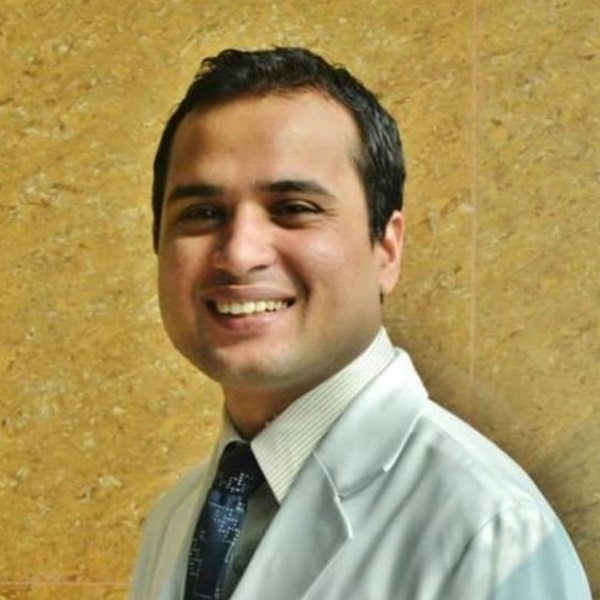
Consultant Radiologist · Registered with Nepal Medical CouncilDr. Bishworaj, a resident of Pokhara, Nepal has been serving as consultant radiologist since inception of the institute. He has previously served in Western Regional Hospital. He is currently involved in various prestigious institutions in Pokhara. Dr. Bastakoti has done his residency training from National Kidney and Transplant Institute, Manila, Philippines. He has been Diplomate of Phillipine college of radiology and is goodstanding member of Nepal Radiologist Society. He is a registered radiologist in Nepal Medical Council since 2016.
View full profile & articles → Facebook
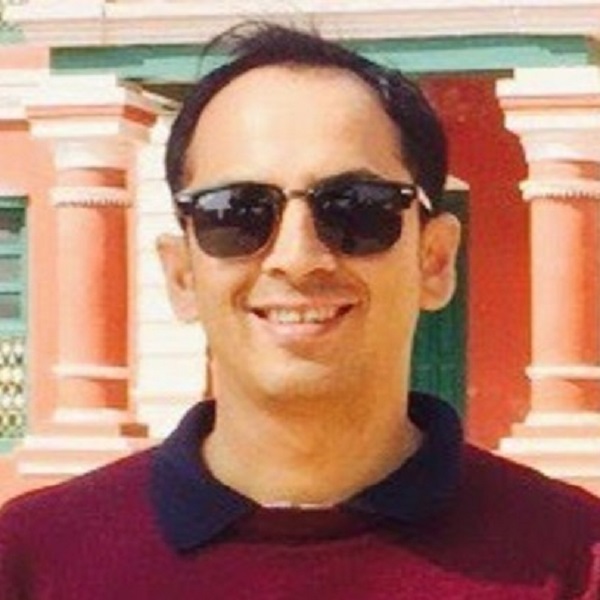
Consultant Radiologist · Registered with Nepal Medical CouncilDr Nawaraj, a resident of Pokhara, Nepal has been serving as consultant radiologist since inception of the institute. He has previously served in universal college of medical science as an assistant professor of radiology. He is currently involved in Gandaki Medical College and various private institutes, in Pokhara. Dr. Paudel has done his residency training from East Avenue Medical Centre, Manila, Philipines. He has been goodstanding member of Nepal Radiologist Society. He is a registered radiologist in Nepal Medical Council since 2016.
View full profile & articles → Facebook
What a consultant radiologist does
When your doctor orders a scan, they are asking a specific clinical question — is there a fracture, a stone, a blocked vessel, a growing lump? The radiologist plans how the study should be done, checks the images for quality, and writes a report that answers that question in language your doctor can act on. For CT and MRI, this includes choosing the right protocol and deciding whether contrast is needed; for ultrasound and Doppler, the radiologist often performs the scan personally.
- Plan the right protocol for each CT, MRI and ultrasound request
- Perform ultrasound, Doppler and image-guided procedures such as FNAC and biopsy
- Read and report every study, comparing with previous imaging when you bring it
- Contact your treating doctor directly when a finding is urgent
Studies our radiologists report
A CT scan in Pokhara at KDRC is a fast, painless X-ray test that uses a computer to create detailed cross-sectional images of the head, chest, abdomen, spine, bones and blood vessels.
An MRI in Pokhara at KDRC is a scan that uses a strong magnet and radio waves, not X-rays, to picture the brain, spine, joints and organs in detail.
Ultrasound (USG, sonography) in Pokhara at KDRC is a painless, radiation-free scan that uses high-frequency sound waves to show live images of organs, blood vessels and the unborn baby.
A BMD test in Pokhara at KDRC is a quick, painless, very low-dose X-ray scan that measures the mineral content of your bones.
CT angiography in Pokhara at KDRC is a contrast-enhanced CT scan that maps the arteries and veins of the heart, brain, neck, lungs, abdomen and limbs without inserting a catheter.
A Doppler test in Pokhara at KDRC is a colour Doppler ultrasound scan that measures the speed and direction of blood flow in arteries and veins.
Mobile ultrasound service in Pokhara at KDRC brings a portable ultrasound machine and trained team to the bedside of patients who cannot easily travel, such as elderly, bedbound or recovering patients.
Teleradiology service in Nepal from KDRC means CT, MRI and X-ray images taken at a hospital or clinic are sent securely as DICOM files to consultant radiologists in Pokhara, who interpret them and return a signed report.
Getting the most from your appointment
- Bring your doctor's request form — it tells the radiologist what to look for.
- Bring previous scans and reports; comparison often makes the report more precise.
- Tell the team about allergies, kidney problems, pregnancy, pacemakers or metal implants.
- Follow the preparation for your test — each service page explains it.
Frequently asked questions
Who reports my scan at KDRC?
Every CT scan, MRI, ultrasound and Doppler study at KDRC is read and reported by one of our consultant radiologists, Dr. Bishworaj Bastakoti or Dr. Nawaraj Paudel. Both are registered radiologists with the Nepal Medical Council and members of the Nepal Radiologist Society.
Do I need a doctor's referral for a scan?
Most CT, MRI and specialised tests are done on a request from your treating doctor, because the request tells the radiologist what question to answer. If you don't have one, call us — our team will tell you which tests you can book directly and which need a referral.
Can I talk to the radiologist about my report?
Your report is written for your treating doctor, who will explain it alongside your symptoms and history. If your doctor needs to discuss the findings, they can contact our radiologists directly at the centre.
Are your radiologists available on weekends?
Consultant radiologists are on site during working hours, and anomaly scans and other ultrasound services are available any day of the week. Call 061-553538 to confirm the timing for your test before you visit.
Do you provide reports for other hospitals?
Yes. Through our teleradiology service our consultant radiologists report CT, MRI and X-ray images sent from hospitals and imaging centres in other parts of Nepal.
Need to book a scan or ask about a report?