
MRI in Pokhara: Open-Type MRI Scan at KDRC
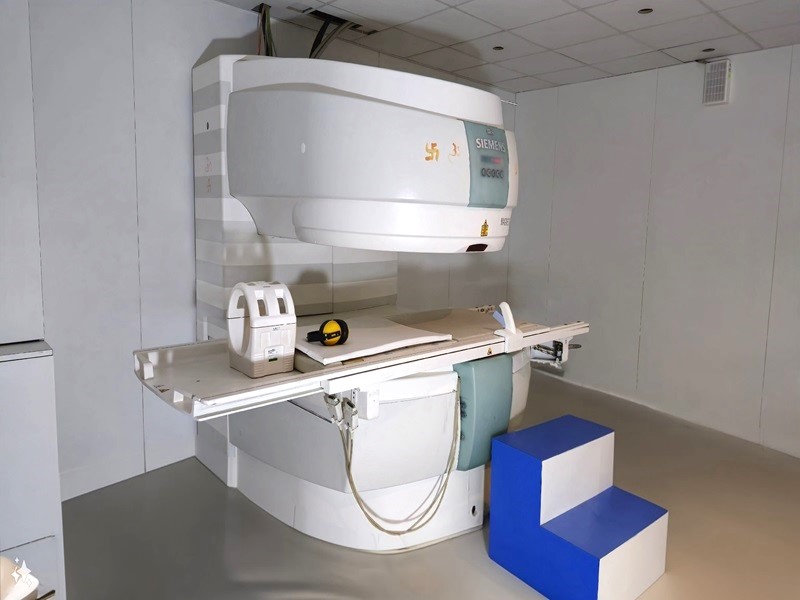
An MRI in Pokhara at KDRC is a scan that uses a strong magnet and radio waves, not X-rays, to picture the brain, spine, joints and organs in detail. KDRC's open-type MRI has the magnet above and below you with open sides, easing claustrophobia, and every study is reported by a consultant radiologist.
Also called: MRI, open mri, mri scan, magnetic resonance imaging, mri test
- Duration
- Most MRI scans take about 15 minutes to an hour on the table
- Reported by
- Consultant radiologists
- Location
- Amarsingh Chowk, Pokhara-10
- Book / price
- 061553538 · 9856077433
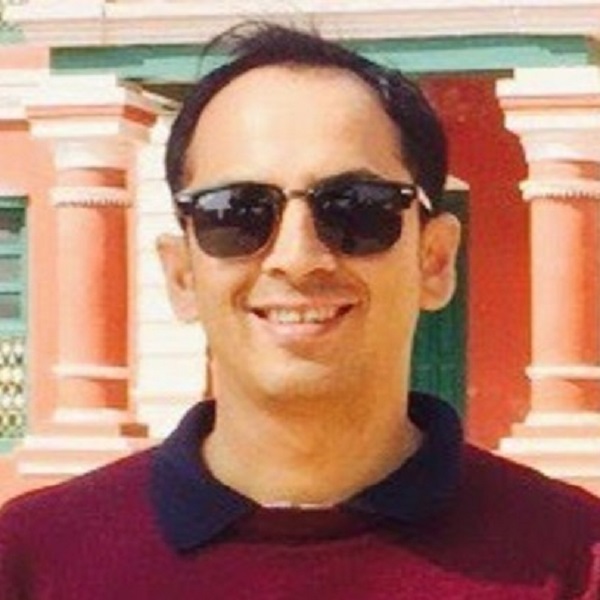 Dr. Nawaraj Paudel · Consultant RadiologistMedically reviewed by Dr. Bishworaj Bastakoti · MD Radiology Last reviewed 12 Oct 2026Updated 12 Oct 2026
- MRI uses a magnetic field and radio waves, so there is no ionising radiation.
- KDRC's open-type MRI has open sides, which helps claustrophobic, larger and younger patients.
- Most scans take 15 minutes to an hour, and most need no fasting.
- Metal screening is the key safety step: tell us about any implant before booking.
- Price depends on body part, number of regions and contrast; call 061-553538 for a quote.
- Every study is reported by consultant radiologist Dr. Bishworaj Bastakoti or Dr. Nawaraj Paudel.
On this page (12 sections)
- What is an MRI scan?
- What is an open-type MRI, and who benefits from it?
- Why do doctors order an MRI?
- MRI vs CT vs ultrasound: which scan do you need?
- How to prepare for an MRI scan
- Is MRI safe? Metal, implants and contrast
- MRI in pregnancy, breastfeeding, children and older adults
- What happens during an MRI at KDRC?
- How long does an MRI take, and when will I get my report?
- How much does an MRI cost in Pokhara?
- Why choose KDRC for MRI in Pokhara?
- Getting to KDRC for your MRI: location and booking
What is an MRI scan?
An MRI (magnetic resonance imaging) scan is a test that uses a strong magnet, radio waves and a computer to make detailed pictures of the inside of the body, without any X-ray radiation. If you are looking for an MRI in Pokhara, Kaligandaki Diagnostic and Research Center (KDRC) at Shantipath, Amarsingh Chowk, offers scans on an open-type MRI system, with every study reported by a consultant radiologist.
MRI works because the body is mostly water and fat. The protons in these molecules line up in the magnetic field. Short radio pulses then nudge them out of line, and as they settle back they give off a faint signal. The scanner reads that signal and builds it into cross-sectional images. Different tissues give different signals, which is why MRI shows soft tissue such as the brain, spinal cord, discs, ligaments, cartilage and muscle in far more detail than an X-ray.
The images are taken in "sequences". Each sequence lasts a few minutes and highlights a different tissue property. A typical examination is a set of several sequences, so the whole scan usually takes 15 minutes to an hour, depending on the body part and the question your doctor is asking.
What is an open-type MRI, and who benefits from it?
An open-type MRI is a scanner whose magnet sits above and below you, leaving the sides open, instead of surrounding you in a long, narrow tube. That one design difference changes the experience for many patients in Pokhara who have avoided an MRI because of fear of enclosed spaces.
Open designs are widely recommended for people with claustrophobia. RadiologyInfo notes that around 1 in 20 people need a mild sedative to get through an MRI, and that a more open scanner is one of the practical ways to reduce that need. The open layout helps in several groups:
- Anxious or claustrophobic patients who can see the room around them throughout the scan.
- Larger patients who may not fit comfortably inside a narrow-bore tube.
- Children, who often settle better when a parent is close and visible.
- Older adults and people in pain who find a tunnel stressful or awkward to lie in.
The comparison below shows how an open-type MRI differs from a conventional closed-bore scanner.
| Feature | Open-type MRI (KDRC) | Closed-bore MRI |
|---|---|---|
| Shape | Magnet above and below, sides open | Long, narrow tube around the body |
| Claustrophobia | Much less closed-in; you can see the room | Enclosed; some patients cannot complete the scan |
| Larger patients | More room at the sides | Bore width can limit comfort |
| Children | Parent can stay close and visible | Child is inside the tunnel |
| Radiation | None | None |
| Metal screening | Required | Required |
No scanner is perfect for every question. For some very specialised studies a referring doctor may prefer a particular scanner type, and our radiologists will tell you honestly if your request is better done elsewhere.
Why do doctors order an MRI?
Doctors order an MRI when they need a clear view of soft tissue, nerves, joints or organs that X-ray, ultrasound or CT cannot show well enough. It is often the test of choice for the brain, spine and joints, and it is valuable for repeated follow-up because it uses no ionising radiation.
The table below lists common MRI examinations and the questions each one usually answers.
| MRI examination | Common reasons for referral | Typical preparation |
|---|---|---|
| MRI brain | Headache with warning signs, seizures, stroke follow-up, dizziness, suspected tumour, multiple sclerosis | Remove hairpins and metal; tell staff about any head or ear implants |
| MRI cervical spine (neck) | Neck pain with arm numbness, tingling or weakness; disc prolapse; cord compression | Remove necklaces and earrings; usually no fasting |
| MRI lumbar spine (lower back) | Sciatica, back pain with leg weakness, slipped disc, spinal canal narrowing | Wear clothing without metal; usually no fasting |
| MRI knee | Ligament tears (ACL, MCL), meniscus tears, cartilage damage, sports injuries | Loose trousers or a gown; remove metal from pockets |
| MRI shoulder | Rotator cuff tear, frozen shoulder, recurrent dislocation | Remove bra with underwire if asked; no fasting |
| MRI abdomen / MRCP | Liver lesions, bile duct stones, pancreas problems | Fasting is often requested; follow the instructions given at booking |
| MRI pelvis | Uterus and ovary conditions, prostate assessment, hip and pelvic pain | Instructions vary; staff will tell you about bladder or fasting needs |
Brain and nerves
MRI of the brain shows the grey and white matter, the ventricles, blood vessels and the pituitary gland. Neurologists often request it alongside an EEG brain-wave test when investigating seizures, because MRI shows structure while EEG shows electrical activity.
Spine
Spine MRI is the standard way to see discs, nerve roots and the spinal cord. It is one of the most common reasons people in Pokhara and the surrounding hill districts are referred for an MRI, often after weeks of back pain that radiates down the leg.
Joints and sports injuries
For the knee, shoulder, ankle and wrist, MRI shows ligaments, tendons and cartilage that do not appear on X-ray. Orthopaedic surgeons often use it to decide whether an injury needs surgery or rehabilitation.
Abdomen and pelvis
MRI can characterise a lesion found on ultrasound or CT, map the bile ducts, and assess pelvic organs in detail. For blood-flow questions, a colour Doppler study is often the quicker first step.
MRI vs CT vs ultrasound: which scan do you need?
MRI gives the best soft-tissue detail, CT is faster and better for bone, bleeding and the lungs, and ultrasound is the quickest radiation-free first look. Your doctor chooses the test that best answers the clinical question, and sometimes more than one is needed.
The table below compares the three main imaging tests available at KDRC.
| Feature | MRI | CT scan | Ultrasound |
|---|---|---|---|
| How it works | Magnetic field and radio waves | X-rays and computer reconstruction | High-frequency sound waves |
| Ionising radiation | None | Yes (for example, about 1.6 mSv for a CT head) | None |
| Typical scan time | About 15–60 minutes | Usually a few minutes | About 10–30 minutes |
| Best for | Brain, spinal cord, discs, ligaments, cartilage, soft-tissue masses | Trauma, bleeding, lungs, bone detail, kidney stones, blood vessels (CT angiography) | Pregnancy, gallbladder, kidneys, thyroid, superficial lumps, blood flow (Doppler) |
| Metal implants | Must be screened before scanning | Usually no problem | No problem |
| Noise | Loud tapping and knocking; ear protection given | Quiet whirring | Silent |
| At KDRC | Open-type MRI | 192-slice Siemens CT | HD ultrasound with 3D/4D |
In emergencies such as a suspected head injury or bleeding, CT is usually done first because it is so fast. For a slipped disc, a knee ligament tear or a suspected brain lesion, MRI usually gives the more useful answer. When your doctor needs to see the arteries in detail, CT angiography may be the better choice.
How to prepare for an MRI scan
For most MRI scans you can eat, drink and take your usual medicines as normal; the most important preparation is removing metal and telling us about anything metallic inside your body. Some abdominal studies need fasting, and our team will tell you when you book.
- Bring your doctor's request slip and previous scan reports or films
- Tell us about pacemakers, clips, implants, pumps or metal fragments before booking
- Wear loose clothing with no zips, hooks or metallic threads
- Leave jewellery, watches, hairpins, coins and bank cards at home
- Eat and take medicines as usual unless told to fast
- Tell staff if you are pregnant, breastfeeding or have kidney disease
- Mention claustrophobia or anxiety when you book
What to bring and wear:
- Your doctor's request slip and any previous MRI, CT, X-ray or ultrasound reports and films, so the radiologist can compare.
- Details of any implant, such as the device card for a pacemaker or the name of the manufacturer, if you have one.
- A list of your medicines and any allergies, especially if a contrast study has been requested.
- Loose, comfortable clothing without zips, hooks or metallic threads. You may be asked to change into a gown, because some sportswear contains metallic fibres that can heat up.
- Leave gold jewellery, watches, hairpins, coins and bank cards at home if you can. The magnet can damage cards and pull small metal objects.
If you feel anxious about the scan, tell us when you book. Seeing the open scanner, having the procedure explained and knowing that you can speak to the technologist throughout helps most people complete the examination comfortably.
Is MRI safe? Metal, implants and contrast
MRI is very safe when safety screening is done properly, because it uses no ionising radiation and the magnetic field itself is not harmful to the body. The real risks come from metal: the magnet can pull loose metal objects, heat some implants, or stop certain electronic devices from working.
The table below summarises how common items are usually handled. The final decision always rests with the radiologist after checking the exact device.
| Item | Usual approach | What you should do |
|---|---|---|
| Cardiac pacemaker or defibrillator (ICD) | Some modern devices can be scanned under strict conditions; others cannot | Tell us before booking and bring the device card and model details |
| Brain aneurysm clips | Some older clips are ferromagnetic and can move | Provide the operation record; the scan may need to be cancelled |
| Cochlear implant, neurostimulator, medicine pump | Depends on the exact device and manufacturer | Bring device details; do not assume it is safe |
| Joint replacements, plates and screws | Most orthopaedic implants pose no risk, though they may blur nearby images | Tell us where the implant is |
| Metal fragments, especially in the eye | Can move in the magnetic field | Tell us about any grinding, welding or shrapnel injury; an X-ray may be needed first |
| Tattoos and permanent eyeliner | Some inks can irritate or warm the skin | Mention them; tell the technologist at once if you feel heat |
| Jewellery, hairpins, hearing aids, phones, cards | Must not enter the scan room | Remove before the scan |
Contrast (gadolinium) injection
Some MRI studies need an injection of contrast, called gadolinium, to show blood vessels, inflammation or tumours more clearly. RadiologyInfo explains that gadolinium is less likely to cause allergic reactions than the iodine contrast used in CT. Mild side effects include a cool feeling at the injection site, nausea, headache or a metallic taste. Gadolinium is cleared by the kidneys, so kidney function may be checked first in people with kidney disease, diabetes or older age. Tell us if you have ever reacted to a contrast injection.
Noise and heating
All MRI scanners make loud knocking and buzzing sounds while taking pictures. This is normal, and you will be given ear protection. The radio waves can slightly warm the body. Tell the technologist straight away if any spot feels hot or uncomfortable.
MRI in pregnancy, breastfeeding, children and older adults
MRI can be used in pregnancy when a doctor needs it, because it involves no X-ray radiation, but you should always tell us if you are or might be pregnant. Special groups need a little extra planning, and the open-type MRI makes several of them easier.
Pregnancy
RadiologyInfo states that there is generally no known risk from MRI in pregnancy and that MRI is usually safer for the baby than X-ray or CT. Non-urgent scans may still be postponed until after delivery. Most centres avoid gadolinium contrast during pregnancy as a precaution. For routine pregnancy imaging, ultrasound and the anomaly scan remain the first-line tests.
Breastfeeding
You can usually keep breastfeeding after an MRI. If contrast is given, radiologists generally consider it safe to continue. Mothers who prefer to be cautious can express milk beforehand, because the contrast clears from the body in about 12 to 24 hours.
Children
Children need to lie still for the images to be clear. The open design is less frightening than a tunnel, and a parent can talk to the child before and after each sequence. Explaining the noises in advance and bringing a favourite toy helps. If your child's doctor thinks sedation may be needed, discuss it with the doctor and with us before the appointment day.
Older adults and people in pain
Lying still on the back for a long period can be hard with arthritis or severe back pain. Tell us beforehand. Taking your usual pain medicine on time and using pads for support make the scan more comfortable.
What happens during an MRI at KDRC?
An MRI visit at KDRC follows a simple sequence: registration, safety screening, changing, the scan itself, and then reporting by a radiologist. Here is what to expect, step by step.
- 1Book and confirm preparationCall 061-553538 or 9856077433 with your request slip. Staff confirm the time, any fasting and whether contrast is planned.
- 2Register at receptionArrive a little early at Shantipath, Amarsingh Chowk. Hand over your request and previous reports.
- 3Complete the safety questionnaireAnswer questions about implants, surgery, pregnancy, kidney problems and allergies. Be complete; this keeps the scan safe.
- 4Remove metal and changeTake off jewellery, hairpins and hearing aids, empty your pockets, and change into a gown if asked.
- 5Lie on the open tableThe technologist positions you, places a coil over the area and gives you ear protection.
- 6Hold still during each sequenceEach sequence lasts a few minutes. Stay still and follow breath-hold instructions; you can speak to the technologist.
- 7Go home and await the reportMost people leave straight away. A consultant radiologist reports the study, and our team tells you when to collect it.
During the scan you will hear each sequence start and stop. Between sequences the technologist may speak to you to tell you how long the next one will take. Some sequences of the chest or abdomen ask you to hold your breath for a few seconds. If you need to stop, you can call out, and the technologist will respond.
Unless you were given a relaxant medicine, you can drive, eat and return to work straight after the scan. If you had a contrast injection, drink some extra water during the day unless your doctor has told you to limit fluids.
How long does an MRI take, and when will I get my report?
Most MRI scans take between 15 minutes and an hour on the table, depending on the body part, the number of sequences and whether contrast is used. A single knee or spine region is usually at the shorter end; brain studies with extra sequences, or scans of two regions, take longer.
After the scan, a consultant radiologist reviews every sequence and writes a report for your doctor. Report timing depends on how complex the study is and whether older images need to be compared. Our team will tell you when to collect your report. If your doctor has marked the request urgent, tell the reception staff when you register.
Your report describes what the radiologist sees. It does not replace a consultation: take it to the doctor who referred you, who will explain the findings and plan the next steps.
How much does an MRI cost in Pokhara?
MRI cost in Pokhara depends mainly on which part of the body is scanned, how many regions are included and whether a contrast injection is needed. Because each request is different, KDRC quotes MRI prices individually rather than publishing a single figure.
The main factors that change the price of an MRI scan are:
- Body part: a single joint differs from the brain, the whole spine or the abdomen.
- Number of regions: for example, the cervical and lumbar spine together count as two regions.
- Contrast: a gadolinium-enhanced study involves an injection and extra sequences.
- Special protocols: some studies, such as MRCP or detailed pituitary imaging, need additional sequences.
For the current MRI scan price in Pokhara, call 061-553538 or 9856077433 (also on Viber) with your doctor's request slip in hand. Our staff will tell you the cost and any preparation needed. Do not choose a scan based on price alone: a clear study reported by an experienced radiologist avoids repeat scans and extra expense later.
Why choose KDRC for MRI in Pokhara?
KDRC combines an open-type MRI, consultant radiologist reporting and other key imaging under one roof in central Pokhara. That means fewer trips across town when your doctor needs more than one test.
- Open-type design: the magnet sits above and below you, so the scan feels less closed-in, especially for claustrophobic, larger and younger patients.
- Consultant radiologists: studies are reported by Dr. Bishworaj Bastakoti and Dr. Nawaraj Paudel, both NMC-registered radiologists since 2016 and members of the Nepal Radiologist Society, who have been with the centre since it opened. Read more on our doctors page.
- Complete imaging in one place: 192-slice CT, HD ultrasound, Doppler, EEG and more are available at the same address.
- Support for referring hospitals: our teleradiology service helps hospitals and clinics in the region get images reported.
- Any day of the week: services are available on any day of the week. Call ahead to book a time.
Getting to KDRC for your MRI: location and booking
KDRC is at Shantipath, Amarsingh Chowk, Pokhara-10, Kaski, which is easy to reach from Lakeside, Mahendrapul, Prithvi Chowk and the main bus routes. If you are searching for an "MRI near me" in Pokhara, ask any taxi driver for Amarsingh Chowk and look for the KDRC signboard on Shantipath.
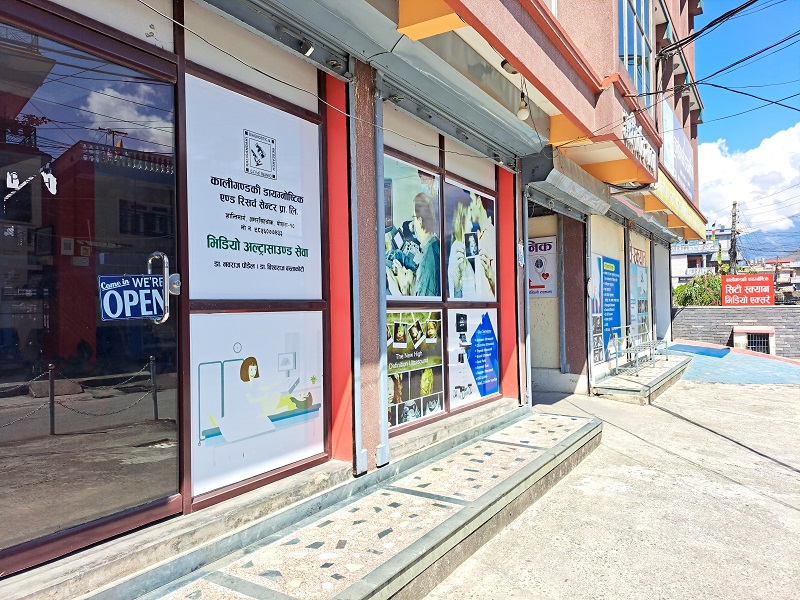
Patients from Syangja, Tanahun, Parbat, Baglung, Myagdi, Lamjung and other districts of Gandaki Province often travel to Pokhara for an MRI. If you are coming from outside the city, call before you set off. That way your slot is confirmed and you know whether fasting or a blood test is needed. If you are coming from a hospital with a patient who cannot sit up, our 24/7 ambulance can help with transfer.
To book, call 061-553538 or 9856077433, email kaligandaki.dc@gmail.com, or use the appointment form. You can see all our tests on the services page.
Sudden weakness or numbness of the face, arm or leg, slurred speech, the worst headache of your life, loss of bladder or bowel control with back pain, or a seizure that does not stop needs emergency care now. Go to the nearest emergency department or call for an ambulance. Do not wait for a routine appointment.
- Faster scan for trauma, bleeding, lungs and bone
- Radiation-free first-line imaging
- Detailed map of arteries
- Brain electrical activity, often paired with MRI brain
- Blood-flow assessment without contrast
- Remote reporting for referring hospitals
How to prepare
- Eat, drink and take your usual medicines unless told to fast (some abdominal MRIs need fasting).
- Tell us before booking about any pacemaker, defibrillator, aneurysm clip, cochlear implant, medicine pump, joint replacement or metal fragments.
- Bring your request slip, previous reports and films, and any implant card.
- Wear loose clothing without zips, hooks or metallic threads.
- Leave jewellery, watches, hairpins, coins and bank cards at home.
- Tell staff if you are pregnant, breastfeeding, have kidney disease or have reacted to contrast before.
- Mention claustrophobia or anxiety when you book.
How long it takes
Most MRI scans take about 15 minutes to an hour on the table, depending on the body part, the number of sequences and whether contrast is used.
Price in Pokhara
MRI cost in Pokhara depends on the body part, number of regions and whether contrast is needed, so prices are quoted individually. Call 061-553538 or 9856077433 for the current price.
What to expect at KDRC
Your MRI at KDRC starts with a call to 061-553538 or 9856077433, when staff confirm your slot and any preparation. On the day, come to Shantipath, Amarsingh Chowk, a little early with your doctor's request slip and previous reports. At reception you register and fill in a short safety questionnaire about implants, surgery, pregnancy, kidney problems and allergies. Next you remove jewellery, hairpins, hearing aids and anything in your pockets, and change into a gown if asked. In the scan room the technologist helps you lie on the open table, places a coil over the area being scanned and gives you ear protection. Because the magnet sits above and below you, the sides stay open and you can see the room. The scanner makes loud knocking sounds as each sequence runs. Your job is to stay still, sometimes holding your breath for a few seconds. Most scans take 15 minutes to an hour. If contrast was requested, a small injection is given part-way through. Afterwards you change, collect your belongings and can usually go straight back to normal activities. A consultant radiologist reviews the images and writes the report, and our team tells you when to collect it for your doctor.
Frequently asked questions
Where can I get an MRI in Pokhara?
KDRC offers MRI scans at Shantipath, Amarsingh Chowk, Pokhara-10, Kaski. The centre has an open-type MRI with the magnet above and below you, and every study is reported by a consultant radiologist. Call 061-553538 or 9856077433 to book, or use the appointment form on our contact page.
How much does an MRI cost in Pokhara?
The cost depends on which body part is scanned, how many regions are included and whether a contrast injection is needed. A single joint, the brain and the whole spine are priced differently. KDRC quotes each request individually, so call 061-553538 or 9856077433 with your doctor's request slip for the current price.
What is the difference between an open MRI and a closed MRI?
A closed MRI surrounds you in a long, narrow tube. An open-type MRI places the magnet above and below you and leaves the sides open. The open design feels much less enclosed, so it helps people with claustrophobia, larger patients and children. Both use the same principle and neither uses X-ray radiation.
Is an MRI scan safe?
Yes, MRI is very safe when safety screening is done properly. It uses no ionising radiation. The main risks come from metal, because the magnet can pull loose objects and affect some implants and electronic devices. That is why you answer a safety questionnaire and remove all metal before the scan.
Can I have an MRI if I have a pacemaker or metal implant?
It depends on the exact device. Some modern pacemakers and implants can be scanned under strict conditions, while others cannot. Most joint replacements, plates and screws pose no risk. Tell us before booking and bring the device card or operation record so the radiologist can check whether the scan is safe.
How long does an MRI take?
Most MRI scans take between 15 minutes and an hour on the table. A single knee or spine region is usually shorter, while brain studies with extra sequences, two regions, or contrast studies take longer. Allow extra time for registration, the safety questionnaire and changing before and after the scan.
Do I need to fast before an MRI?
Usually not. For most MRI scans you can eat, drink and take your usual medicines. Some abdominal studies, such as MRI of the liver or bile ducts (MRCP), need a period of fasting. Our staff will tell you when you book if your scan needs any fasting or other special preparation.
Can I have an MRI during pregnancy?
MRI uses no X-ray radiation, and there is generally no known risk to the baby, so doctors use it in pregnancy when needed. Non-urgent scans may be postponed until after delivery, and gadolinium contrast is usually avoided. Always tell us if you are or might be pregnant before the scan.
Can children have an MRI at KDRC?
Yes. Children need to lie still for clear pictures, and the open design is less frightening than a tunnel. A parent can stay close by, and explaining the noises beforehand helps. If your child's doctor thinks sedation may be needed, please discuss it with the doctor and with us before the appointment day.
I am claustrophobic. Can I still have an MRI?
Most claustrophobic patients can complete a scan on an open-type MRI, because the sides are open and you can see the room. Tell us when you book. We explain each step, and you can talk to the technologist throughout. If you still feel very anxious, speak to your doctor about a mild relaxant beforehand.
Is MRI better than a CT scan?
Neither is better overall; they answer different questions. MRI shows soft tissue, nerves, discs, ligaments and the brain in more detail without radiation. CT is much faster and better for trauma, bleeding, lungs and fine bone detail. Your doctor chooses the test that best fits your symptoms, and KDRC offers both.
When will I get my MRI report?
A consultant radiologist reviews every sequence and writes the report for your doctor. Timing depends on how complex the study is and whether older images need comparing. Our team will tell you when to collect your report. If your doctor has marked the request urgent, mention it when you register.
Who reports MRI scans at KDRC?
MRI studies at KDRC are reported by consultant radiologists Dr. Bishworaj Bastakoti and Dr. Nawaraj Paudel. Both have been NMC-registered radiologists since 2016, are members of the Nepal Radiologist Society, and have worked with the centre since it opened. Their report goes with your images to the doctor who referred you.
Is MRI available on Saturday in Pokhara?
KDRC services are available on any day of the week, including Saturday. Scan slots still need to be arranged, so call 061-553538 or 9856077433 before you come to confirm a time and any preparation. This is especially important if you are travelling to Pokhara from another district.
Do I need a doctor's referral for an MRI?
Yes, an MRI should be requested by a doctor, who states the body part and the clinical question. The request guides which sequences are used and whether contrast is needed. Bring the request slip and any previous reports. If you do not have a referral yet, consult a doctor first.
Can I drive after an MRI scan?
Yes, in most cases. An MRI does not affect your ability to drive, eat or work, so you can return to normal activities straight away. The exception is if you were given a relaxant or sedative medicine: then you should not drive for 24 hours and need someone to take you home.
Sources
- radiologyinfo.org/en/info/bodymr
- radiologyinfo.org/en/info/safety-mr
- nhs.uk/tests-and-treatments/mri-scan/
- my.clevelandclinic.org/health/diagnostics/4876-magnetic-resonance-imaging-mri
- fda.gov/radiation-emitting-products/medical-imaging/mri-magnetic-resonance-imagi
- radiologyinfo.org/en/info/safety-xray
This page is general health information reviewed by our radiologists. It is not a diagnosis — always follow your own doctor's advice. In an emergency, call our 24-hour ambulance or go to the nearest emergency department.
Written by
Dr. Nawaraj PaudelConsultant Radiologist
Consultant Radiologist at KDRC, Pokhara. Residency at East Avenue Medical Centre, Manila; formerly Assistant Professor of Radiology at Universal College of Medical Sciences. Member, Nepal Radiologist Society.
View doctor's profile →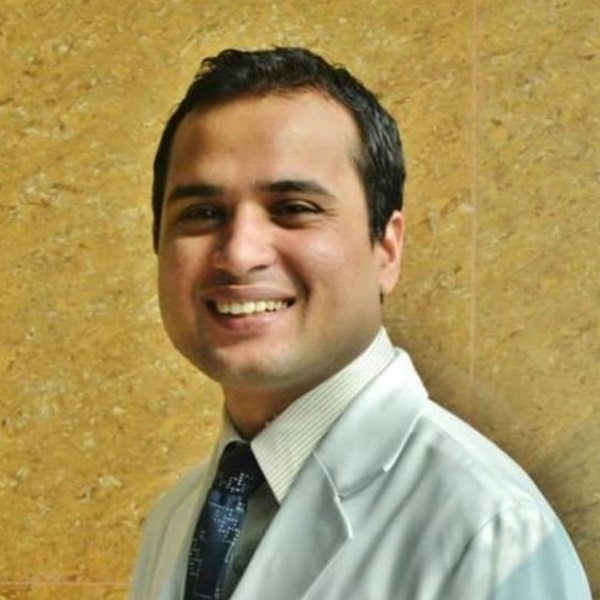
Medically reviewed by
Dr. Bishworaj BastakotiConsultant Radiologist
Consultant Radiologist at KDRC, Pokhara. Residency at the National Kidney and Transplant Institute, Manila; previously at Western Regional Hospital. Member, Nepal Radiologist Society.
View doctor's profile →Shantipath, Amarsingh Chowk, Pokhara-10, Kaski · 061553538 / 9856077433
Related services in Pokhara
192 Slice High Resolution CT Scan
A CT scan in Pokhara at KDRC is a fast, painless X-ray test that uses a computer to create detailed cross-sectional imag…
High Definition Ultrasound
Ultrasound (USG, sonography) in Pokhara at KDRC is a painless, radiation-free scan that uses high-frequency sound waves …
CT Angiography
CT angiography in Pokhara at KDRC is a contrast-enhanced CT scan that maps the arteries and veins of the heart, brain, n…
EEG
An EEG test in Pokhara at KDRC is a painless recording of the brain's natural electrical activity using small electrodes…
Doppler Ultrasound
A Doppler test in Pokhara at KDRC is a colour Doppler ultrasound scan that measures the speed and direction of blood flo…