
MRI7 min read
What Is an MRI Scan? How It Works, What It Shows and How Long It Takes
An MRI scan is a painless imaging test that uses a strong magnetic field and radio waves, not X-rays, to create detailed cross-sectional images of the brain, spinal cord, nerves, joints and internal organs. It shows soft tissue that X-rays and CT often cannot. Most scans take twenty to forty-five minutes.
Also called: MRI scan Pokhara, open MRI Pokhara, magnetic resonance imaging Nepal, MRI centre in Pokhara, MRI booking Pokhara
Booking, timings and preparation: see our Open Type MRI page.
 By Dr. Nawaraj Paudel · Consultant RadiologistReviewed by Dr. Bishworaj Bastakoti· Last reviewed 12 October 2026· Published 12 October 2026
Key takeaways
- MRI in Pokhara uses a magnetic field and radio waves, so it involves no X-ray radiation.
- KDRC's open-type MRI is open on all four sides, quieter than tunnel scanners and has a tiltable table.
- Most MRI scans at KDRC take twenty to forty-five minutes depending on the body part and image series.
- Metal is the main safety issue, so tell staff about pacemakers, implants or metal fragments before the scan.
- Book on 061-553538 or +977-9856077433; walk-in booking is also possible at Shantipath, Amarsingh Chowk.
What is an MRI scan and how does it work?
An MRI (magnetic resonance imaging) scan is a painless test that uses a strong magnetic field and radio waves, not X-rays, to create detailed pictures of organs, joints and soft tissue. It shows detail of the brain, spinal cord, nerves, ligaments and cartilage that X-rays and CT often cannot, which makes it one of the most informative tests in modern medicine. At KDRC, scans are performed on an open-type MRI that is open on all four sides.
Inside the scanner, the magnetic field temporarily aligns tiny hydrogen atoms in your body. Short pulses of radio waves disturb them, and as they settle back they release signals. A computer turns thousands of these signals into sharp cross-sectional images. The US National Institute of Biomedical Imaging and Bioengineering describes this process and explains why MRI is especially good at telling different soft tissues apart.
Because MRI uses magnetism rather than ionising radiation, the same area can be scanned again whenever your doctor needs to monitor a condition. Nothing touches your body and the scan itself does not hurt. This guide answers the questions patients ask most often, written for patients rather than radiologists; for timings and booking, see our MRI in Pokhara page.
When doctors refer you for an MRI
Doctors refer patients for MRI when they need a closer look at soft tissue after symptoms, injuries or unclear findings on simpler tests. The aim is an answer clear enough to plan treatment with confidence.
- Brain and nerves. Persistent headaches, dizziness, seizures or memory problems, and suspected stroke, tumours, multiple sclerosis or pituitary disorders.
- Spine. Neck, back or leg pain suggesting a slipped disc, sciatica, a narrowed spinal canal or a compressed nerve root.
- Joints and sports injuries. Cruciate ligament tears, meniscus injuries, cartilage loss, tendon damage and stress fractures that X-rays miss.
- Abdomen and pelvis. Liver and kidney lesions, uterine, ovarian and prostate imaging, and MRCP studies of the bile ducts.
- Follow-up. Clarifying abnormal X-ray, ultrasound or CT findings, surgical planning and monitoring after treatment.
If you are unsure whether MRI or CT suits your problem, our comparison of CT scan versus MRI explains which test answers which question.
How to prepare for your MRI
Most MRI scans need no special preparation. You can usually eat normally and take your usual medicines unless the booking desk tells you otherwise.
Clothing, metal and what to bring
The magnet in an MRI scanner is always on, so metal is the key issue. Wear comfortable clothing without metal zips, hooks or embroidery, leave jewellery and electronic items outside, and skip eye make-up on scan day, because some products contain metal powder. Bring your referral letter and any previous imaging reports so the radiologist can compare old and new findings. Our checklist of what to bring to an imaging appointment covers the paperwork.
| Item | Why it matters | What to do |
|---|---|---|
| Jewellery, watch, phone | The magnet attracts metal and can damage electronics | Leave them outside the scan room |
| Clothes with zips or hooks | Metal can heat up or blur images | Wear plain clothes or change into a gown |
| Eye make-up | Some products contain metal powder | Skip it on scan day |
| Previous reports and films | Lets the radiologist compare findings | Bring them with your referral |
If your scan needs contrast dye
Some studies include an injection of gadolinium contrast through a small cannula in the arm to highlight blood vessels, inflammation and tumours. Your doctor decides whether it is needed. If it is, the booking desk gives you fasting instructions, usually avoiding food for a few hours beforehand. Mention kidney disease at booking, because kidney function is checked before contrast in some patients. Our guide to contrast dye safety gives more background.
What an MRI costs
MRI cost depends on the body part, whether contrast dye is used and the type of study. At KDRC the quote covers the scan, the radiologist report and your images. Call 061-553538 for current pricing, and see why MRI is expensive for a full breakdown.
- Bring your doctor's referral letter
- Bring previous scans and reports for comparison
- Wear clothing without metal zips, hooks or embroidery
- Leave jewellery, watch, phone and cards outside the scan room
- Skip eye make-up on scan day
- Tell staff about pacemakers, implants or metal fragments
- Mention pregnancy, kidney disease or past contrast reactions
- Follow any fasting advice if contrast dye is planned
Open MRI vs tunnel MRI
Conventional MRI scanners are long tubes that surround the body completely. The open-type MRI at KDRC replaces that tube with a design open on all four sides, so you can see the room, breathe freely and feel far less enclosed. Many patients compare it to lying on a bed in a normal room.
The open design also runs quieter than tunnel scanners, which matters when you must stay still for half an hour, and its tiltable table lets the radiologist position you for the clearest images. It suits claustrophobic patients, children, larger patients and anyone anxious about enclosed spaces. With the scanner open on all four sides, most claustrophobic patients at KDRC complete their scan without sedation.
| Feature | Open MRI at KDRC | Tunnel MRI |
|---|---|---|
| Enclosure | Open on all four sides | Narrow tube surrounds the body |
| View | You can see the room | Limited view inside the bore |
| Noise | Quieter operation | Loud knocking sounds |
| Family nearby | Often possible | Harder to stay close |
| Positioning | Tiltable table | Usually fixed flat position |
For a fuller discussion of image quality and who benefits, read open MRI versus closed MRI.
What happens during an MRI at KDRC Pokhara?
On arrival at our centre in Shantipath, Amarsingh Chowk, you register at the desk, complete the metal-screening form and change into a gown if needed. The technologist explains the scan, places a lightweight receiver coil near the body part being imaged and positions you comfortably on a cushioned table.
Each image series takes a few minutes and sounds like rhythmic tapping or drumming. You hold a squeeze ball, and one press lets staff pause the scan and speak to you through the intercom. Because the scanner is open on all four sides, you keep a clear view of the room, and a family member can often stay nearby. Most scans take twenty to forty-five minutes; contrast studies run a little longer because images are taken before and after the injection.
Your images are studied and reported by consultant radiologists at KDRC, and reports are checked for quality before release. The reporting desk tells you when to collect them. Take the report back to the doctor who referred you, because MRI findings are most useful alongside your history and examination.
MRI safety: implants, pregnancy and contrast
MRI uses no X-ray radiation, only magnetic fields and radio waves, which is why it can be repeated when needed. RadiologyInfo.org's MRI safety page and the US FDA both stress that the main risk comes from metal objects and certain implants, so screening is essential.
Tell staff in advance if you have a pacemaker, defibrillator, cochlear implant, metal fragments in your eyes from welding or grinding, older aneurysm clips or other surgical implants. Most modern implants, plates, screws and joint replacements are MRI-compatible, but each must be checked first. Very large tattoos can occasionally feel warm, so mention them too.
Pregnancy is not an automatic barrier. MRI avoids X-ray radiation and can be done when the medical need is clear, but gadolinium contrast is used in pregnancy only when genuinely essential, as your doctor and the radiologist decide together. Reactions to contrast are uncommon, and the dye is cleared by the kidneys.
Common mistakes and myths about MRI
- Myth: MRI uses radiation like CT. It does not. MRI uses magnets and radio waves, not X-rays.
- Mistake: forgetting about metal. Hairpins, coins, hearing aids and phones must stay outside the scan room every time.
- Myth: claustrophobia means you cannot have an MRI. The four-side-open scanner at KDRC usually changes the experience completely.
- Mistake: hiding a past panic attack in a tunnel scanner. Tell the desk, so staff can prepare and support you.
- Myth: every implant rules out MRI. Most modern implants are safe; they simply need checking beforehand.
- Mistake: leaving old reports at home. Previous scans help the radiologist judge what has changed.
KDRC also offers a 192-slice Siemens CT, HD 3D/4D ultrasound, HD endoscopy, X-ray and laboratory tests under one roof, so a full work-up can often be done in one visit. To book, call 061-553538 or +977-9856077433, visit our open-type MRI at KDRC or contact KDRC at Shantipath, Amarsingh Chowk, Pokhara-10. Walk-in booking is also possible.
- Faster first test for bleeding, bone and lungs
- What drives the price of each MRI study
- How parents can prepare a child for a scan
- Radiation-free first look at organs and soft tissue
- Why the open design helps anxious patients
Example
Illustrative example (fictional). Bimala, a 38-year-old teacher from Lakeside, had numbness in her right leg and pain spreading from her lower back. Her doctor referred her for an MRI of the lumbar spine. Years earlier she had panicked inside a tunnel scanner and left before it finished, so she dreaded going again.
She called 061-553538 and told the desk about her earlier experience. Staff explained that KDRC's MRI is open on all four sides, that she would hold a squeeze ball to pause the scan at any time, and that her sister could often stay nearby. They reminded her to wear clothes without metal and to bring her old X-ray report.
On the day, Bimala completed the metal-screening form and lay on the cushioned table with a clear view of the room. The tapping sounds were easier to bear than she remembered, and the scan finished in about half an hour without sedation. A consultant radiologist reported the images, and she took the report back to her doctor to plan treatment.
Frequently asked questions
Is MRI available in Pokhara?
Yes. KDRC at Shantipath, Amarsingh Chowk, Pokhara-10 runs an open-type MRI that is open on all four sides. Call 061-553538 or +977-9856077433 to book.
Is an MRI scan painful?
No. MRI is painless and nothing touches your body during the scan. The hardest part is staying still, and the open design at KDRC makes that easier.
How long does an MRI take?
Most MRI scans take twenty to forty-five minutes depending on the body part and number of image series. Contrast studies take a little longer.
Can I have an MRI if I have metal in my body?
Usually yes. Most plates, screws, joint replacements and dental work are MRI-safe, but pacemakers, defibrillators, cochlear implants and metal fragments near the eyes must always be checked first.
Do I need a referral letter for an MRI in Pokhara?
A referral from your treating doctor is strongly recommended because it tells the radiologist what question the scan must answer. Bring previous reports and films too.
Can children have an MRI at KDRC?
Yes. The open, quieter design is child-friendly and a parent can often stay close by. Very young children who cannot keep still may need sedation arranged with their paediatrician in advance.
Related tests at KDRC Pokhara
Questions or bookings: call +977-61553538 or +977-9856077433.
Go deeper
Sources
- www.radiologyinfo.org/en/info/bodymr
- www.radiologyinfo.org/en/info/safety-mr
- www.nibib.nih.gov/science-education/science-topics/magnetic-resonance-
- www.fda.gov/radiation-emitting-products/medical-imaging/mri-magnetic-r
- www.nhs.uk/tests-and-treatments/mri-scan/
This article is general information, not medical advice. Always consult your doctor about your specific situation.
About the author
Dr. Nawaraj PaudelConsultant Radiologist
Consultant Radiologist at KDRC, Pokhara. Residency at East Avenue Medical Centre, Manila; formerly Assistant Professor of Radiology at Universal College of Medical Sciences. Member, Nepal Radiologist Society.
View doctor's profile →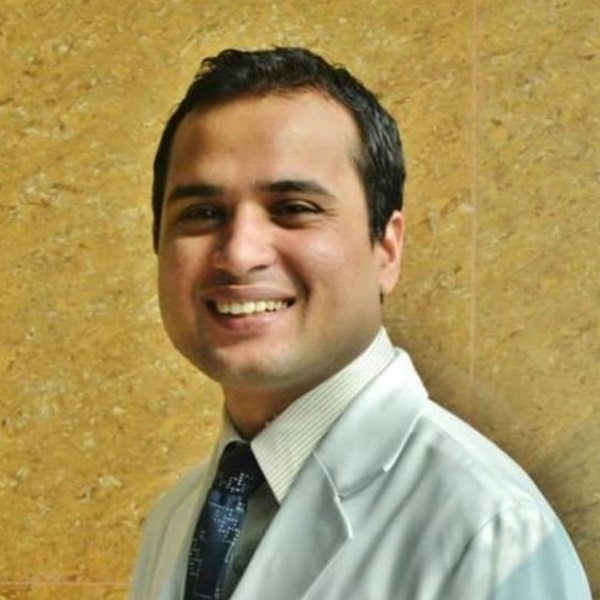
Expert reviewer
Dr. Bishworaj BastakotiConsultant Radiologist
Consultant Radiologist at KDRC, Pokhara. Residency at the National Kidney and Transplant Institute, Manila; previously at Western Regional Hospital. Member, Nepal Radiologist Society.
View doctor's profile →